Operations
Part of Crisis communications: what to keep and what to drop
Crisis communications case studies: the Hawaii alert and one airline's recovery
crisis communications case studies reveal how correction speed, public action, direct family support, staffing, language capacity, and channel design shape outcomes.
What to take away
- Study the operating failure and affected decisions, not only the public reaction.
- A correction must reach the people who received the original error.
- Critical support routes need staffing, language capacity, and load testing.
- A recovery record covers the repair and the constraints that remain, not just the apology.
Crisis communications case studies are most useful when the original record identifies the event, the sequence, and the channel. The record should also name the affected group, the observed response, and the limits. The three cases below cover a false missile alert in Hawaii, family assistance after an Asiana Airlines crash, and Johnson & Johnson's 1982 Tylenol recall.
Case 1: the Hawaii false missile alert
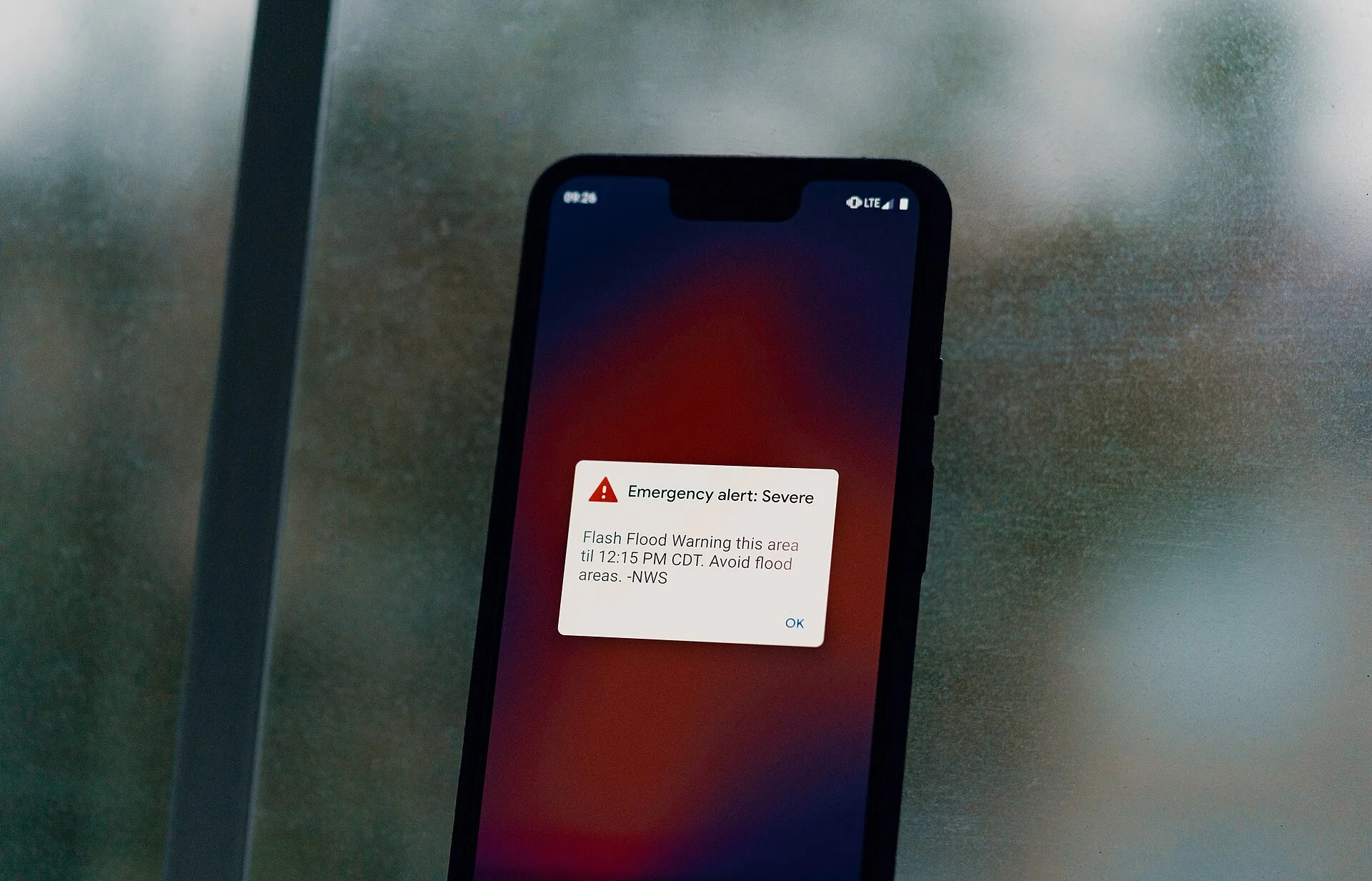
At 8:07 a.m. local time on January 13, 2018, the Hawaii Emergency Management Agency sent a wireless emergency alert warning of a ballistic missile threat. The correction went out at 8:45 a.m., 38 minutes later. A CDC report analyzed public reactions to Hawaii's 2018 false ballistic-missile alert and coded public social posts for that period.
Coded themes included information processing, sharing, authentication, and emotion. A second cluster covered insufficient action knowledge, criticism, and mistrust. The study does not represent every recipient's experience.
| Observed condition | Bounded lesson |
|---|---|
| Urgent alert carried a catastrophic threat | High-consequence send authority needs strong controls |
| Correction followed after 38 minutes | Prepare a rapid correction path on the original channel |
| People sought authentication | Provide a recognized source and consistent cross-channel record |
| Some posts showed insufficient action knowledge | Include specific protective action in the initial message |
| Mistrust appeared after correction | Explain the error and corrective control rather than silently moving on |
Case 2: Asiana Airlines Flight 214 and the family assistance repair
Asiana Airlines Flight 214 crashed on approach to San Francisco International Airport on July 6, 2013. Three passengers died, and 187 of the 307 people aboard were hurt.
The U.S. Department of Transportation's Asiana Airlines enforcement announcement says the carrier failed to widely publicize a dedicated number promptly. It took two days to contact families of three-quarters of the passengers. It lacked adequate trained and language-capable staff, and it was fined.
The release describes one legal enforcement matter, not every aspect of the response. The airline's recovery ran through the enforcement order, not the apology. Asiana paid a $500,000 civil penalty and agreed to revise its plan. The DOT called it the first fine against an airline for violating the family assistance plan requirement.
The revised duties: publicize the dedicated toll-free number quickly, staff it with trained people who can handle the languages of passengers on board, and reach families inside the plan's timelines. The carrier kept flying U.S. routes while it made those changes.
A hotline is not assistance just because it exists. The route must be easy to find, separate from ordinary service, staffed by trained people, supported in needed languages, and linked to verified passenger and family processes.
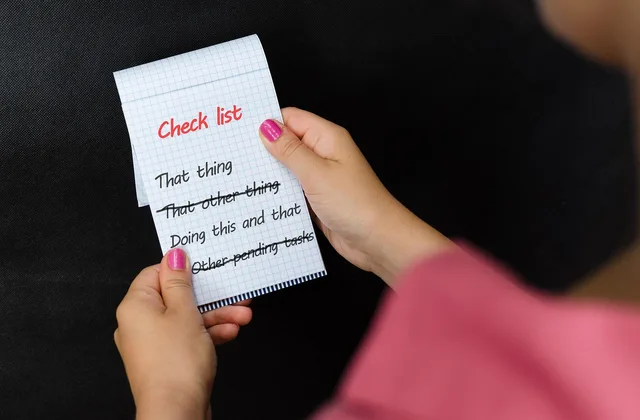
The organization must resource the plan at the scale of the event. A crisis communications checklist helps teams test hotline staffing, language support, and family contact steps before an event.
Case 3: the 1982 Tylenol deaths and the brand's return
Seven people in the Chicago area died in the fall of 1982 after taking Extra-Strength Tylenol capsules laced with potassium cyanide. Johnson & Johnson, then led by chairman James Burke, recalled about 31 million bottles with a retail value near $100 million. It pulled the product from shelves nationwide and placed newspaper ads carrying a toll-free number.
Consumers could exchange capsules for tablets. The repair was public: the company introduced triple-sealed, tamper-resistant packaging in late 1982 and added caplets as a capsule alternative. Johnson & Johnson also backed federal tamper-resistant packaging rules and the 1983 federal anti-tampering law.
Tylenol recovered most of its U.S. market share within about a year, after a low point of roughly 7 percent. Two limits matter: the poisoning was a criminal act, and the brand held strong loyalty before the crisis.
Transfer the mechanism carefully
| Mechanism | Business test |
|---|---|
| Send control | Can an authorized person prevent and cancel a false high-risk alert? |
| Correction | Can the team reach the same recipients within minutes? |
| Authentication | Can people verify the current message through a known source? |
| Help route | Can affected people bypass routine customer queues? |
| Language | Are trained staff and reviewed materials available for likely needs? |
| Capacity | Has the team load-tested calls, forms, and follow-up? |
| Recall and repair | Can the organization withdraw a harmful product and publish the change that prevents a repeat? |
| Accountability | Will the organization publish the failure and completed repair? |
Do not turn any of these cases into a promise that one checklist prevents every failure. Use the record to build a scenario, define observable decisions, test current people and systems, and close the specific gaps. Preserve the differences between a public warning system, an airline family-assistance duty, a consumer product recall, and the business risk being tested.
Audit the published evidence
The FTC advertising substantiation policy requires a reasonable basis before objective advertising claims are disseminated. Apply that U.S. rule to performance statements in public crisis communications case studies, with advice for the actual facts.
The FTC guidance for marketers using reviews warns about fake feedback, selective requests, conditioned incentives, hidden relationships, and paid rankings. Apply those U.S. integrity checks when crisis communications case studies content names providers.
For crisis communications case studies, keep the evidence record beside the decision so a reviewer can reproduce the reasoning without relying on memory.
Common questions
Can one crisis case prove a best practice?
No. A case can expose a mechanism or failure condition. Combine it with applicable rules, broader evidence, direct risk analysis, and testing.
What should a case-study review capture?
Capture the timeline, the affected people, the decision need, the channel, and the staffing. Add the evidence, the error, and the correction. Then record the assistance, the outcome, and the limitations.
Why include failed cases?
Failures reveal capacity, governance, and human consequences that polished success stories often omit.
What completes a recovery case?
The repair itself, the corrective action, a dated timeline, and the limits that stayed in place after the fine or the recall.