Rules
Part of Crisis communications: what to keep and what to drop
Which crisis communications signals deserve a place on the watchlist?
crisis communications trends for 2027 include synthetic impersonation, multilingual alerts, direct verification, fragmented channels, updates, and resilient records.
What to take away
- Synthetic voices and messages make independent verification a response requirement.
- Multilingual and accessible communication must be planned before urgency.
- A durable source record matters as content moves across fragmented channels.
Crisis communications trends should change questions, exercises, and controls rather than trigger automatic software purchases. Keep a dated signal register with the evidence, affected setting, uncertainty, relevance, proposed response, owner, decision threshold, and next review.
Track six practical signals
| Signal | New response question | Controlled test |
|---|---|---|
| Synthetic impersonation | How will staff and the public verify an executive message? | Use a previously confirmed route and independent callback |
| Multilingual alerts | Which urgent messages need reviewed language variants? | Exercise templates with community review |
| Fragmented channels | Where can an audience find the current source record? | Publish, archive, and correct a durable page |
| Automated monitoring | Which real needs or errors does classification miss? | Human-review a known test set |
| Remote response | Can the team work when identity or collaboration systems fail? | Exercise alternate access and an offline record |
| Faster reposting | How will correction follow screenshots, clips, and forwarded text? | Maintain placement records and channel-specific correction |
CISA's notice about a joint deepfake threat information sheet identifies synthetic media risks including impersonation and disinformation. The notice is cybersecurity guidance; it does not prove that a particular audio, image, or allegation is synthetic. Teams documenting synthetic media risks should keep a dated register of crisis communications examples beside the decision.
Prepare for impersonation by publishing verification routes before a crisis. Define which channels executives use, require independent confirmation for sensitive requests, protect administrator accounts, keep originals and provenance records, and train staff to pause when urgency and secrecy accompany a new contact method. Do not declare a damaging recording fake without evidence.
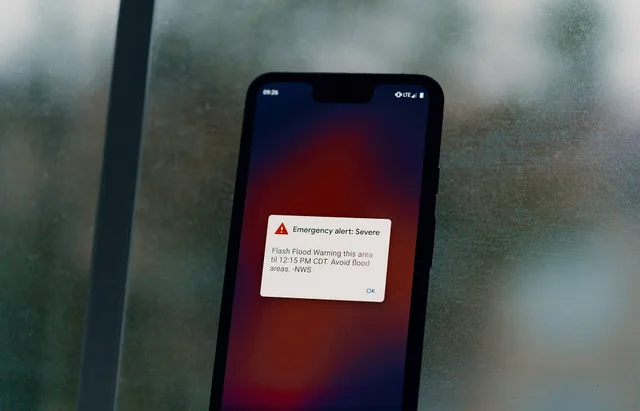
The FCC's January 2025 announcement on multilingual Wireless Emergency Alert templates describes templates for common time-sensitive alerts in 13 languages in addition to English and American Sign Language. It concerns participating wireless alert systems and public-safety authorities, not a general translation tool for business notices.
Translation needs human governance. Identify likely languages, build reviewed high-risk phrases, retain plain source text, confirm numbers and locations, and make a qualified person responsible for the final release.
Machine output can support work, but an urgent unreviewed translation may change the action or scope. Teams that assign translation ownership still face open questions about approvals and channels. common crisis communications questions cover those gaps.
Own a durable fact record even when distribution happens elsewhere. Store approved releases, source facts, media originals, rights, edit history, timestamps, audience variants, corrections, and support decisions. Test exports from vendors and keep a separate fallback. In 2027, resilience is the ability to verify and assist when the normal channel is noisy, compromised, or unavailable.
- Add impersonation and synthetic-media injects to exercises
- Review urgent language and accessibility needs with intended users
- Test corrections across every active format
- Protect and audit publishing authority
- Keep direct audience feedback beside automated monitoring
- Retire trends that do not change a decision
Maintain a dated watchlist
The NIST AI RMF Playbook offers voluntary AI-risk actions under govern, map, measure, and manage. Use them when AI changes crisis communications trends; the playbook is not a product ranking or forecast.
The W3C Privacy Principles statement gives web-system designers shared privacy concepts and warns against shifting privacy work to individuals. Apply it to crisis communications trends, then review the governing law and configuration.
For crisis communications trends, keep the evidence record beside the decision so a reviewer can reproduce the reasoning without relying on memory.
Common questions
What is the most important 2027 crisis trend?
For many teams, synthetic impersonation raises the cost of weak identity verification while fragmented distribution makes a known source record more important.
Should companies use AI to draft crisis messages?
Only within a controlled workflow. People remain responsible for evidence, safety, privacy, duties, approval, accessibility, and the final wording.
How often should trends be reviewed?
Review the register quarterly and after material changes in threats, channels, audience behavior, regulation, systems, or organizational exposure.